Rider In Balance is now launching a long-awaited certification in the RIB method. The education is developed for those who train other riders and want clear, professionally rooted competence in correct and sustainable riding technique.
The goal is simple: improve welfare, health and performance.
The RIB education lasts 2 years and combines theory, practice and an exam. After completing the education, you can obtain the title RIB Certified Trainer , and use this actively in your own teaching.
The education is based on Maria Terese Engell's doctoral degree and provides you with a research-based framework for analyzing rider position, developing correct riding technique, and adapting training to both rider and horse.
This is not a replacement for riding instructor education, but a specialised advanced program for those who want to deepen their understanding of correct riding – from a biomechanical, functional, and sustainable perspective.
The RIB method is already used in established educational courses within the equestrian profession and functions as a clear supplement to existing systems.
The education is open to all levels, but is especially developed for those who:
- already training or teaching riders
- want to formalize your expertise
- will expand your toolbox with a proven method
The educational process
Term 1 - The Human in Motion
Term 1 - The Human in Motion
After completion of the semester, the student should be able to:
- Explain basic human anatomy and physiology, with particular emphasis on the musculoskeletal system.
- Account for key biomechanical principles and how they influence human movement.
- Analyze the rider as a whole based on fundamental biomechanical principles (posture, balance, stability, and movement chains).
- Identify, interpret, and describe deviating movement patterns in the rider.
- Apply pedagogical methods to guide and teach students functional changes, with the aim of improving movement quality.
Sessions: 3 sessions, each lasting two days.
Term 2 - Applied Rider Biomechanics in Riding
Term 2 - Applied Rider Biomechanics in Riding
After completion of the semester, the student should be able to:
- Apply biomechanical understanding in practical analysis of the rider’s function in riding.
- Understand riding technique at all levels – from beginner to Grand Prix – without the horse.
- Pedagogically explain how the rider’s body influences the horse’s movement, balance, and performance across different disciplines.
Sessions: 3 sessions, each lasting two days.
Term 3 - The Horse in Motion and the Rider–Horse Interaction
Term 3 - The Horse in Motion and the Rider–Horse Interaction
After completion of the semester, the student should be able to:
- Account for basic principles of the horse’s anatomy, physiology, and function, with a particular focus on the musculoskeletal system.
- Explain fundamental biomechanical principles in the horse, including:
- kinematics (movement)
- kinetics (forces)
- Understand and evaluate how equipment and riding surfaces affect the horse’s biomechanics, quality of movement, and load.
- Analyze the interaction between rider and horse, and identify:
- which adaptations the rider must make to optimize movement with the horse
- which biomechanical or functional challenges the horse may have
- Plan and design technical training both unmounted and mounted, adapted to the needs of both the rider and the horse.
Sessions: 3 sessions, each lasting two days.
Term 4
Term 4
During the practical training period, the student will work with the following areas:
Biomechanical Analysis
- Observe and assess riders both on and off the horse.
- Analyse the horse’s movement patterns.
- Identify deviations or challenges in the rider and/or the horse.
Coaching and Instruction
- Guide riders using concrete exercises to improve position, balance, and function.
- Explain biomechanical principles in a clear and accessible way to riders at different levels.
- Adapt instruction to the student’s skill level and learning style.
Technique Training and Practical Adaptation
- Plan and carry out exercises both with and without the horse, with a focus on improving health, welfare, and performance.
Documentation and Reflection
- Maintain a practice log including observations, analyses, and interventions.
- Reflect on one’s own teaching and adjust approach based on experience.
- Discuss professional assessments with supervisors and colleagues.
Professional Practice
- Communicate clearly and respectfully with riders, horse owners, and collaborators.
- Handle practical situations independently and responsibly.
Exam
Exam
Upon completion of the examination, the student must be able to demonstrate the following competencies:
Biomechanical Analysis and Assessment
- Independently conduct a comprehensive biomechanical analysis of the rider, both off the horse and while riding.
- Analyse the horse’s movement patterns and function, with a focus on movement quality.
- Assess the interaction between rider and horse, and identify how the rider’s function influences the horse’s movement and performance.
Practical Application of Knowledge
- Apply knowledge of human and equine anatomy, physiology, and biomechanics in practical coaching and instruction.
- Adapt exercises and interventions based on the individual needs of both rider and horse.
- Integrate off-horse technique training with mounted riding technique into a cohesive training plan.
Pedagogy and Communication
- Coach and teach riders at different levels in a pedagogical, clear, and professionally grounded manner.
- Explain complex biomechanical relationships in a way that is understandable and practically applicable for students and collaborators.
- Adapt teaching methods to the student’s prerequisites, goals, and learning style.
Equipment, Environment, and Adaptation
- Discuss and reflect on how external factors, such as equipment and riding surface, affect both rider and horse in terms of function and load.
Professional Practice and Reflection
- Demonstrate professional role awareness in interactions with students, horse owners, and other professionals.
- Critically reflect on one’s own practice, assessments, and professional decisions.
- Document and evaluate training and teaching programmes based on observation, analysis, and goal achievement.
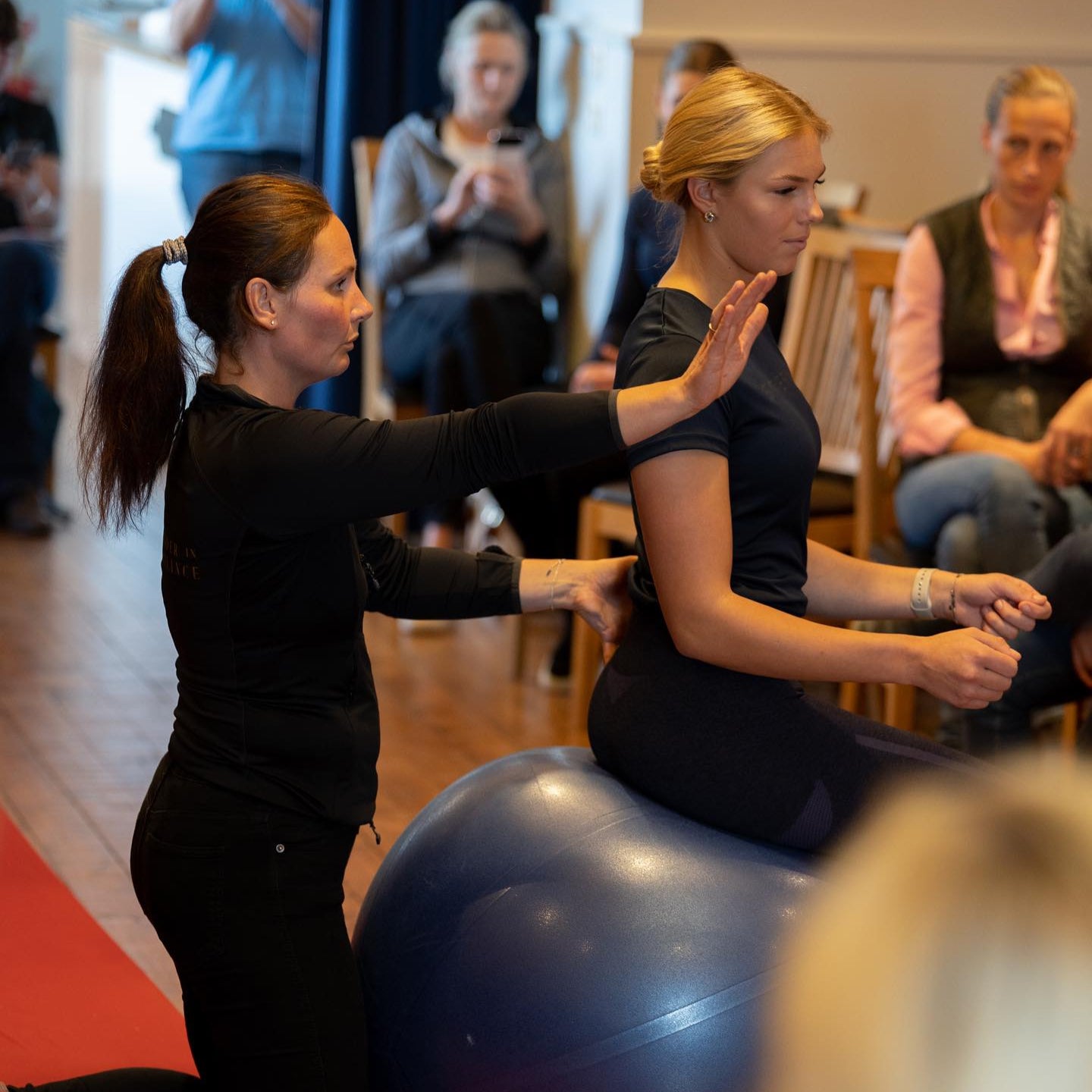
- Start: August 2026
- Language: Norwegian
- Duration: 2 years
- Format: Digital and physical sessions
- Location: Finnskogen and Oslo
- Price: NOK 48,000 per year, a total of NOK 96,000
After completing the education, there will also be the opportunity for further collaboration with Rider In Balance as an instructor.
Dates 2026/2027
Seminars
August 26–27, 2027 - Finnskogen
September 31 – October 1, 2026 - Gaitline in Oslo
November 9-10, 2026 - RIB lab, Sørkedalen
January 27-28, 2027 - Finnskogen
March 10-11, 2027 - Finnskogen
May 19-20, 2027 - RIB lab, Sørkedalen
Webinars
September 16, 2026
October 21, 2026
December 1, 2026
February 17, 2027
April 7, 2027
June 2, 2027
NOTE: Changes may occur
Lecturers
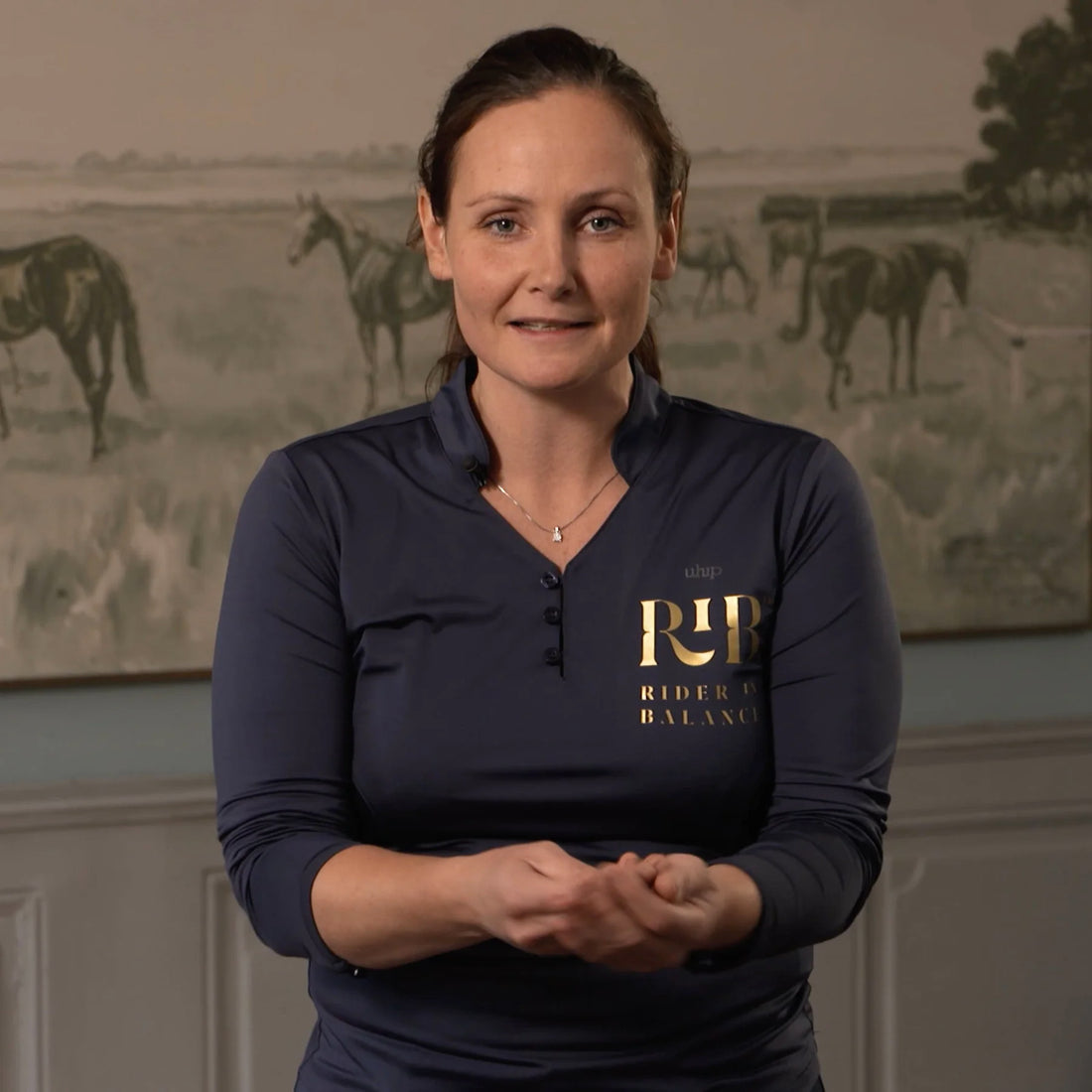
Maria Terese Engell
DVM, PhD, Founder of Rider in Balance
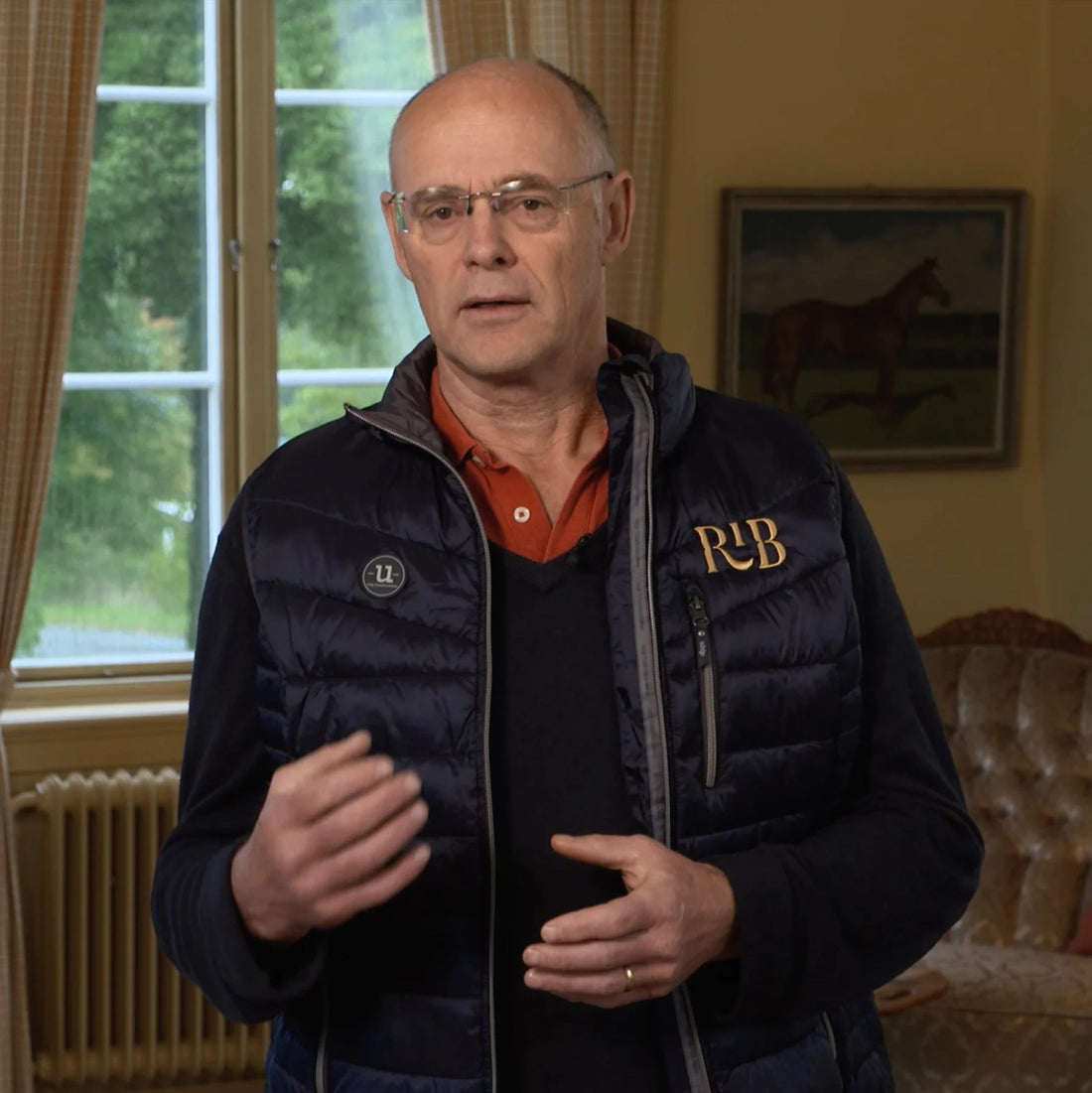
Lars Roepstorff
DVM, PhD, Professor at SLU
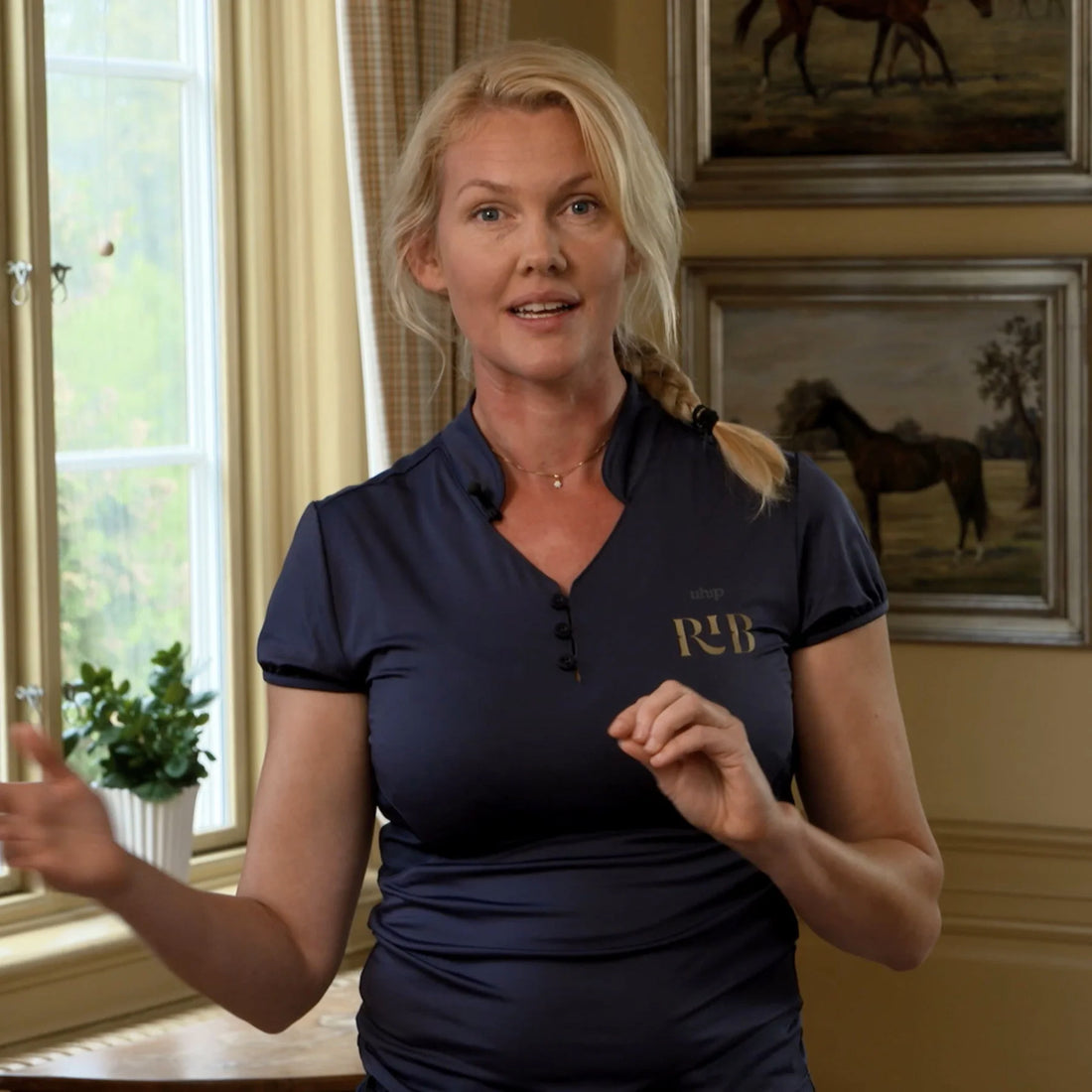
Elin Hernlund
DVM, PhD, Co-Founder Sleip Ai, Associate professor at SLU
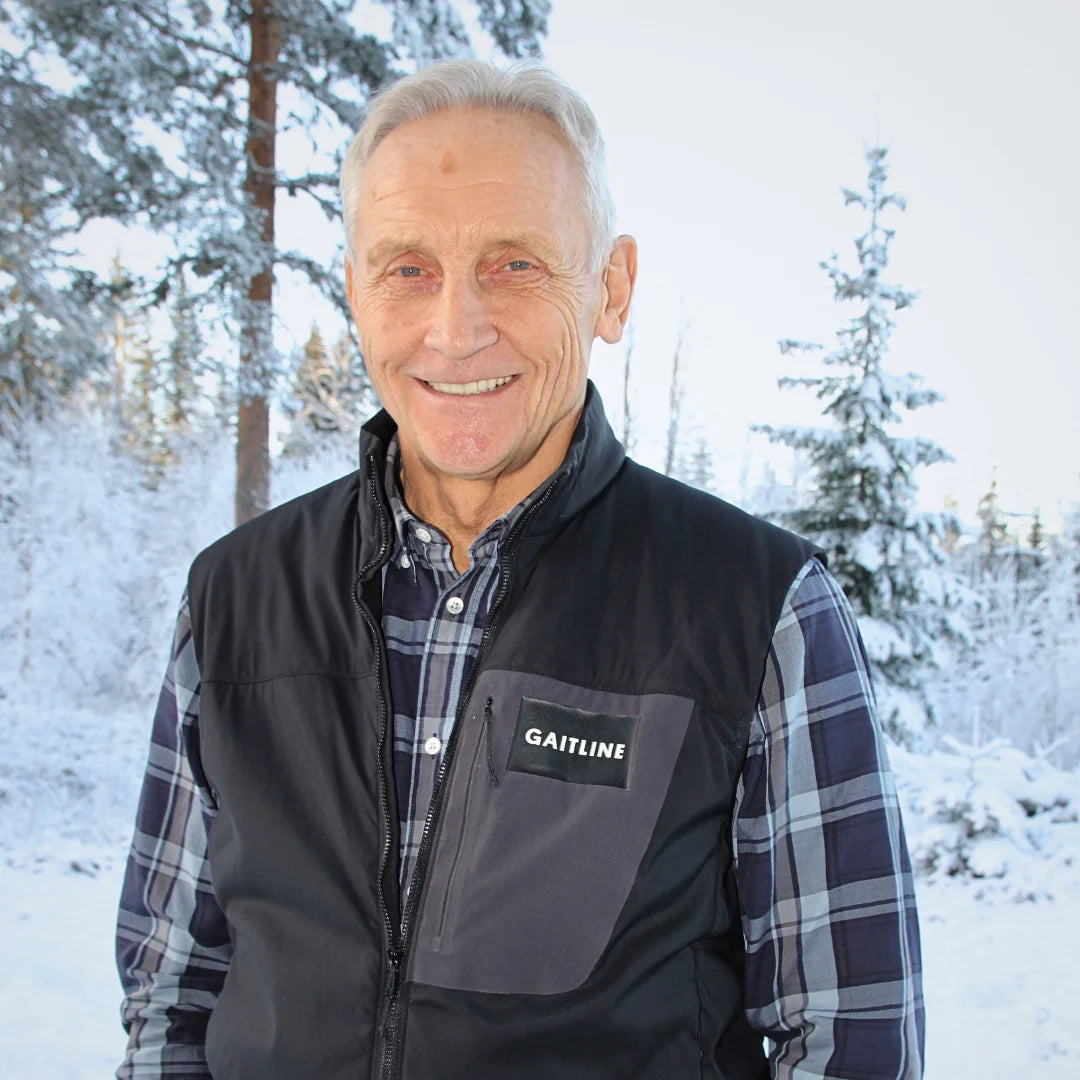
Havard Engell
Biomechanic specialist in technical development, Founder of Gaitline As

Ingeborg Tvete
Physiotherapist, Equestrian physiotherapist, trainer
Questions and answers
What is the RIB certification?
What is the RIB certification?
The RIB certification is an education in the RIB method, developed for those who teach riders. The education provides you with a research-based and practical framework for analyzing rider position, developing correct riding technique, and teaching in a more precise and sustainable way.
Who is the education suitable for?
Who is the education suitable for?
The education is suitable for riders and trainers who already teach – or want to teach – others. It is particularly relevant for riding teachers, trainers, instructors and horse professionals, but is open to all levels. A professional background in horses and riding is an advantage.
Is this a riding instructor training course?
Is this a riding instructor training course?
No. The RIB certification is a supplement to other equine education, not a replacement. We do not train riding instructors in Norway – that is Starum's responsibility – but the RIB method provides specialized expertise in correct and sustainable riding technique for horse and rider.
Is there a possibility of further collaboration with Rider In Balance?
Is there a possibility of further collaboration with Rider In Balance?
Yes. We would like to recruit more certified RIB Coaches/Trainers as instructors for Rider In Balance's courses and education in the future.
I have taken RIB courses previously, do I have to take all semesters?
I have taken RIB courses previously, do I have to take all semesters?
If you have participated in 3 two-day courses, you may qualify to start straight into term 3. This will only be possible in 2026. Please contact us if you are wondering if you can enter year 2 at anw@riderinbalance.com
How long does the education take?
How long does the education take?
The education lasts 2 years and combines theory, practice and examination.
Does the education provide CPD points?
Does the education provide CPD points?
The education is structured to provide a basis for CPD points. Details of this will be communicated in more detail.
Our philosophy and vision
Welfare
In-depth knowledge of the horse and its anatomy helps riders train their horses more correctly, and to understand how the rider's position affects the horse's health and welfare.
Health
By improving their balance and position on the horse, riders can prevent and prevent wear and tear and injuries to their own bodies over time.
Achievement
Through increased body awareness and continuous training on specific technical skills, both rider and horse can perform better together.
The team behind RIB Academy
Maria Teresa Engell
Veterinarian, trainer, researcher on horse-rider interaction
Lars Roepstorff
Veterinarian, professor, researcher on horse biomechanics and the musculoskeletal system, expert on riding boots
Elin Hernlund
Veterinarian, researcher on equine biomechanics and locomotor system, as well as machine learning (AI)
Havard Engell
Expert in technique development, balance and injury prevention training
Our offers
RIB Academy
Online academy that gives you the training exercises and knowledge you need to become a more balanced and technically strong rider.
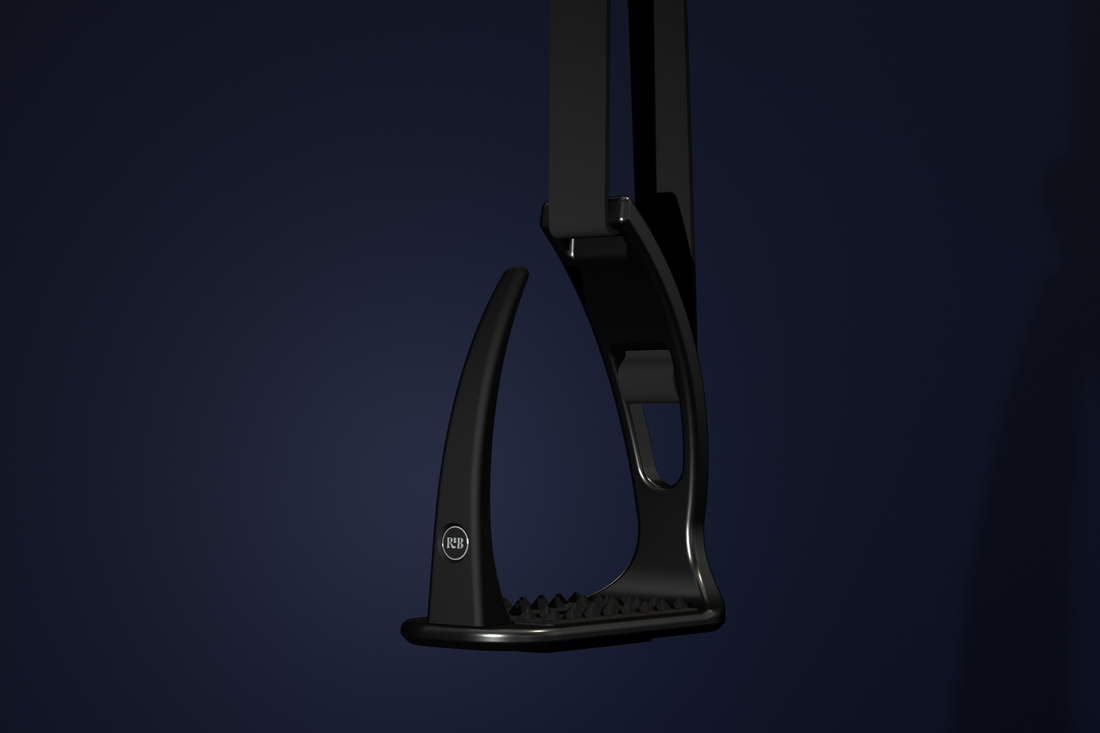
Products
Explore our specially developed products, designed to promote balance while riding.
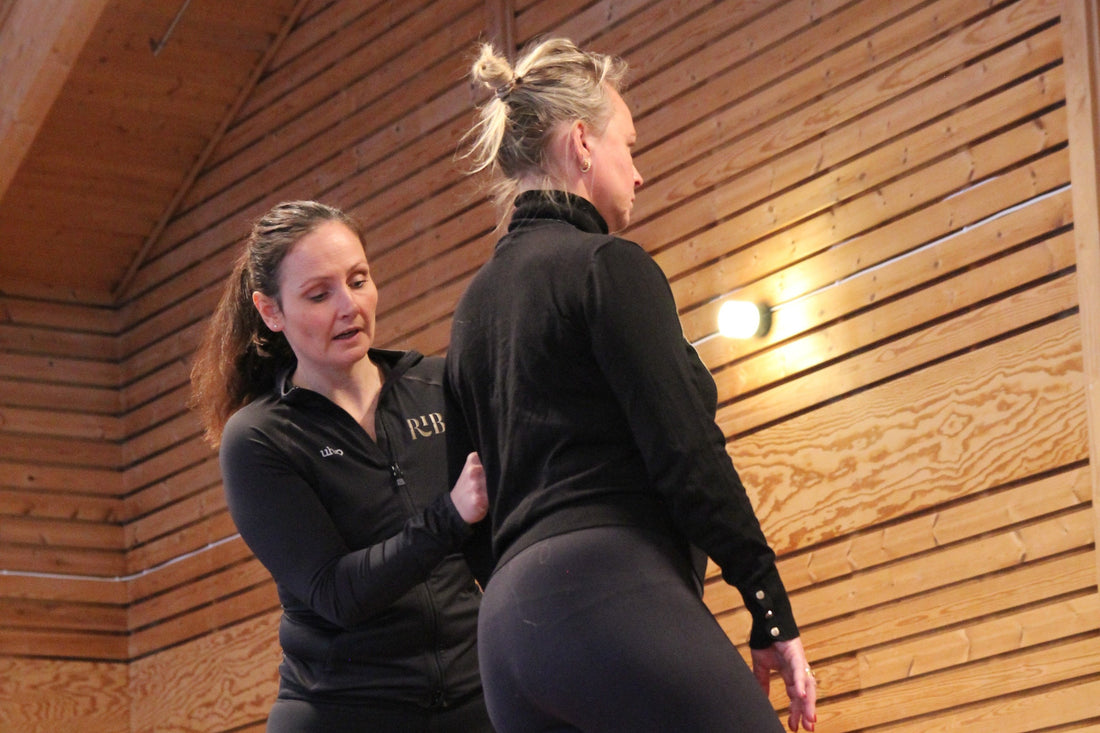
Physical courses
We offer tailored courses for riders of all levels, trainers and veterinarians.