

Our research team
We have brought together some of the world's leading experts in equine medicine, research and technology. Our goal is to continuously improve the health, well-being and performance of both horse and rider. By combining science and practical experience, we develop methods that strengthen the interaction between horse and rider, prevent injuries and optimize training.
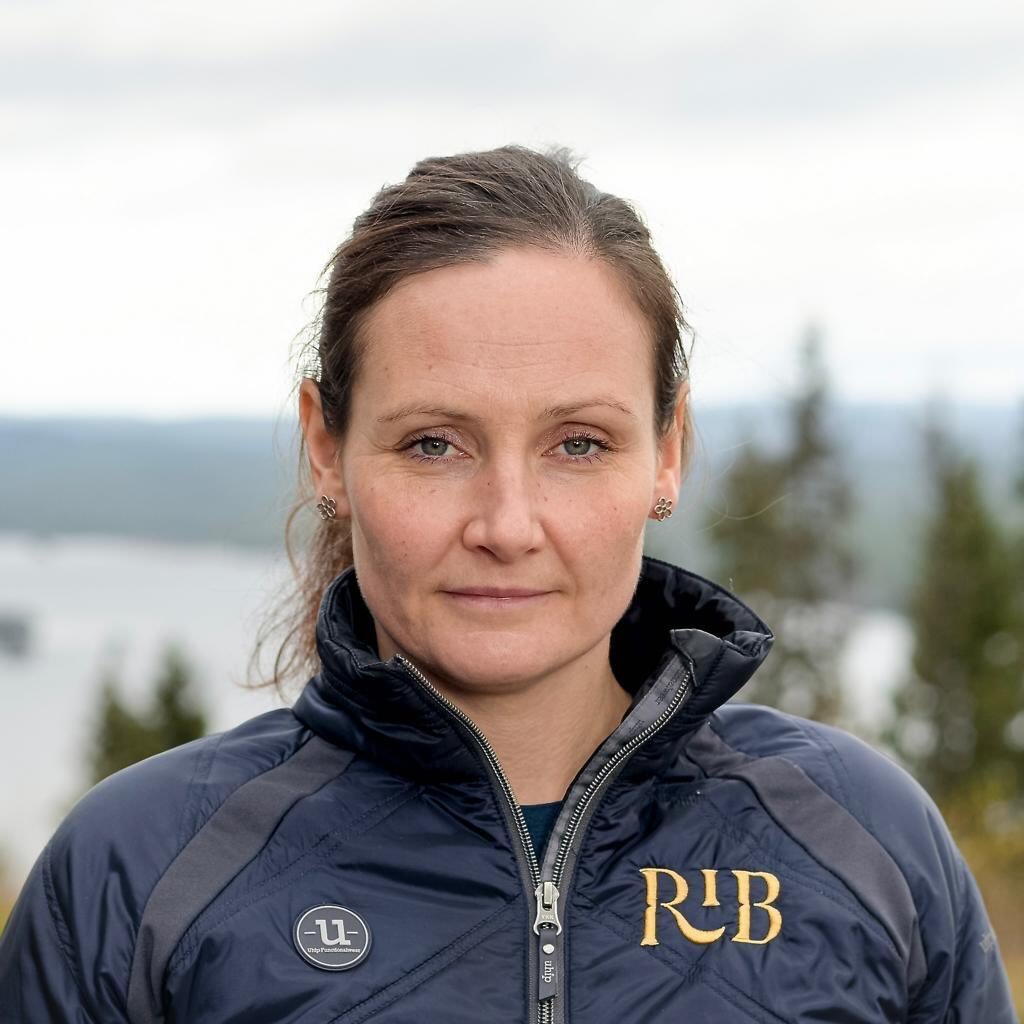
Maria Terese Engell is a veterinarian educated at the University of Veterinary Medicine in Budapest and holds a PhD in horse-rider interaction. Through her research, she combines veterinary medicine and human biomechanics to understand how the rider's balance and movements affect the horse's performance and health.
She has previously worked as an equine practicing veterinarian at Bjerke Animal Hospital and the Norwegian Veterinary College, among others, and has held research positions at both the Swedish University of Agricultural Sciences (SLU) and the Norwegian University of Life Sciences (NMBU).
Maria Terese is today considered one of the world's leading experts on the interaction between horse and rider. Through Rider In Balance, she works to develop research-based methods that improve riding technique, performance and horse welfare.
The research team
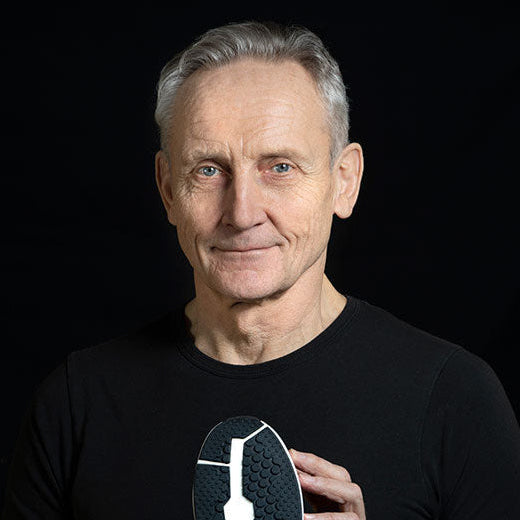
With over 40 years of experience in biomechanics, Håvard Engell is recognized as one of the world's leading experts on balance, coordination and gait. His background as a ballet dancer, combined with many years of experience from the Olympic top, has given him a unique insight into the body's biomechanics and how small adjustments can optimize performance and prevent injuries. Engell has had a significant influence in several fields, including sports, dance and health, and he is a sought-after speaker both nationally and internationally.
During his 15 years at Olympiatoppen, he was responsible for injury prevention, balance and technical training, and his work has contributed to Norwegian athletes across several sports winning more than 300 Olympic medals. Through his work, Engell has left a lasting mark on the development of top-level sports and inspired athletes and professionals all over the world.
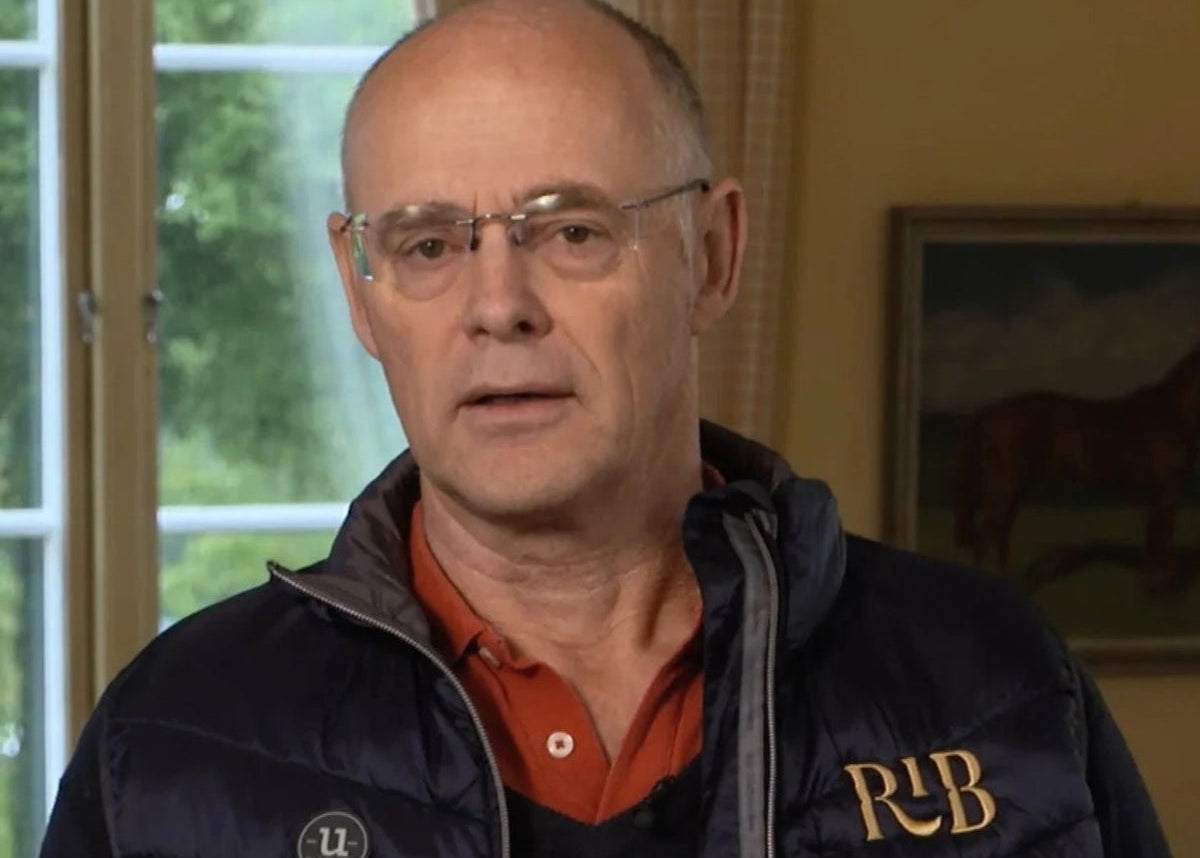
Lars Roepstorff has been an important mentor to Maria Terese Engell throughout her doctoral research, and at RIB he is responsible for technological development and research. Lars grew up with horses and began competing in show jumping at an early age. He is still an active competitive rider at hobby and amateur level. Lars graduated as a veterinary surgeon in 1985 and has since then practiced as an equine veterinarian. His research has focused on biomechanics and horse movement, and in 2011 he became a professor of functional anatomy of the horse. Today he works with applied biomechanics in three areas: the development of tools for objective diagnostics of horse hearing, the interaction between horse and rider, and horse bedding. His research on horse bedding is internationally recognized and has made him sought after by top riders and organizers who want to give their horses the best conditions for training and competition.
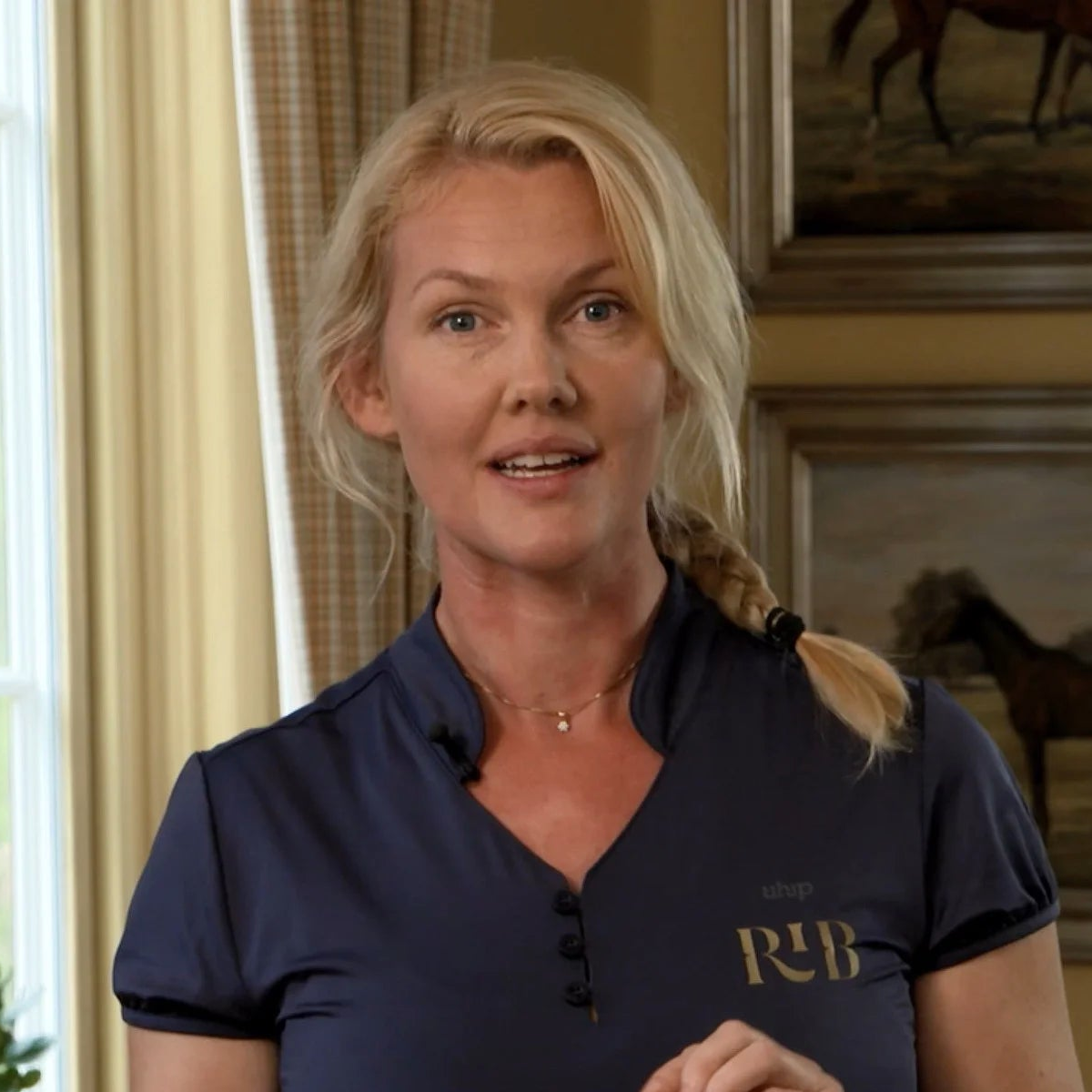
Since 2008, Elin Hernlund has worked at the Swedish University of Agricultural Sciences (SLU), both as a researcher and veterinarian at the equine department at the university hospital. In 2016, she defended her doctoral thesis on training and competition materials in show jumping. Today, Elin works as a postdoctoral fellow at the Department of Anatomy, Physiology and Biochemistry, as well as a part-time postdoctoral fellow at Utrecht University in the Netherlands. Her research aims to increase the understanding of movement and behavioral changes in horses as a result of orthopedic pain, including changes in facial expression and posture. In addition, Elin investigates risk factors for lameness, such as rider influence and training materials.
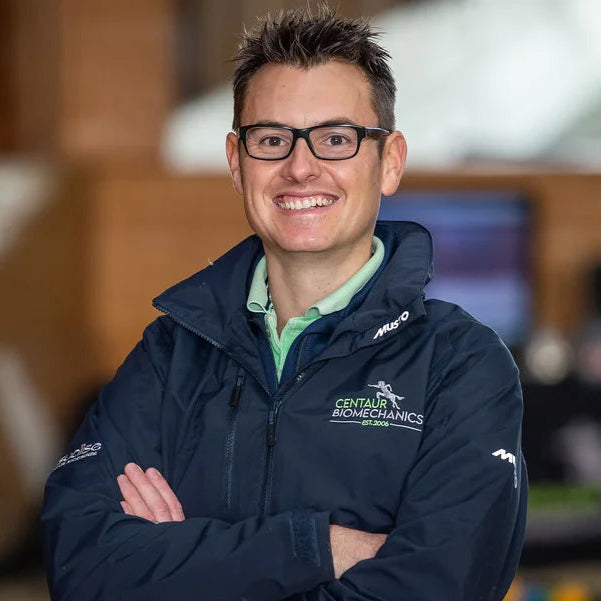
Russell holds a PhD in The Relationship between Saddle and Rider Kinematics, Equine Locomotion, and Thoracolumbar Pressures in Sports Horses. Russell founded Centaur Biomechanics in 2006 and has since conducted extensive research into the effects of saddle, bridle and girth, and rider on equine health and performance. His current research interests include horse, saddle and rider interaction, spinal kinematics in horses during riding, the effects of rider asymmetry on the horse’s back movements, and from a rehabilitation perspective, the effects of training aids and beam work on back movements. Russell also collaborates with researchers on various research projects related to equine health, rehabilitation and performance. He is a consultant to the British Equestrian Federation’s World Class, Team GBR programme and a member of the Team GBR Scientific Advisory Group. Russell is also a member of the Society of Master Saddlers Scientific Advisory Group and part of the main committee of the International Task Force on Laterality in Sports Horses.

Anna is a veterinarian at the Swedish University of Agricultural Sciences (SLU). With a lifelong interest in horses and riding, she chose to write her final thesis on horse-related topics, which opened her eyes to biomechanics as a research field. After a period as a district veterinarian, she returned to SLU in 2007. Here she has worked as an assistant professor in anatomy, a doctoral fellow and later as a researcher.
Her research focuses on the interaction between horse and rider. She has studied this from several perspectives, including how the rider's influence can affect the horse's movement patterns. Her work also includes research on the importance of saddle fit, rein contact, and the rider's own movement patterns.
In addition, she has participated in research projects related to lameness and movement symmetry in both trotting and riding horses, as well as the development and use of methods for objective measurement of lameness.